The short version: A classic pumpkin pie is a simple baked custard: one 15-ounce can of pumpkin purée, 1¼ cups evaporated milk, 3 eggs, ¾ cup sugar and warm spices, poured into an unbaked 9-inch crust. Bake it at 425°F for 15 minutes, then at 350°F for 40–45 minutes. The best way to keep the top smooth and uncracked: take the pie out while the center still jiggles slightly (at least 160°F inside), then let it cool on a rack at room temperature before it goes into the refrigerator.
Why this pumpkin pie recipe works
Pumpkin pie filling is a custard: eggs and milk thicken as they heat, and the pumpkin brings color, body and flavor. That makes it one of the easiest pies to mix and one of the easiest to overbake, and King Arthur and Betty Crocker both point to overbaking as the reason a pumpkin pie cracks. This version follows the classic formula used by King Arthur, Betty Crocker, Taste of Home and Food Network, with every amount, temperature and time inside their ranges.
- Canned pumpkin purée. Consistent from can to can, so the filling sets the same way every year. Plain purée, not pie filling, so you control the sugar and spice.
- Evaporated milk. Milk with some of the water cooked off: creamy and rich without the weight of cream, and it waits in the pantry until the holiday.
- A hot start, then a gentle finish. The pie bakes 15 minutes at 425°F, then finishes at 350°F, the same high-then-moderate pattern Betty Crocker and Taste of Home use. Most of the bake happens at the gentler temperature, so you have time to check the center and pull the pie at the right moment.
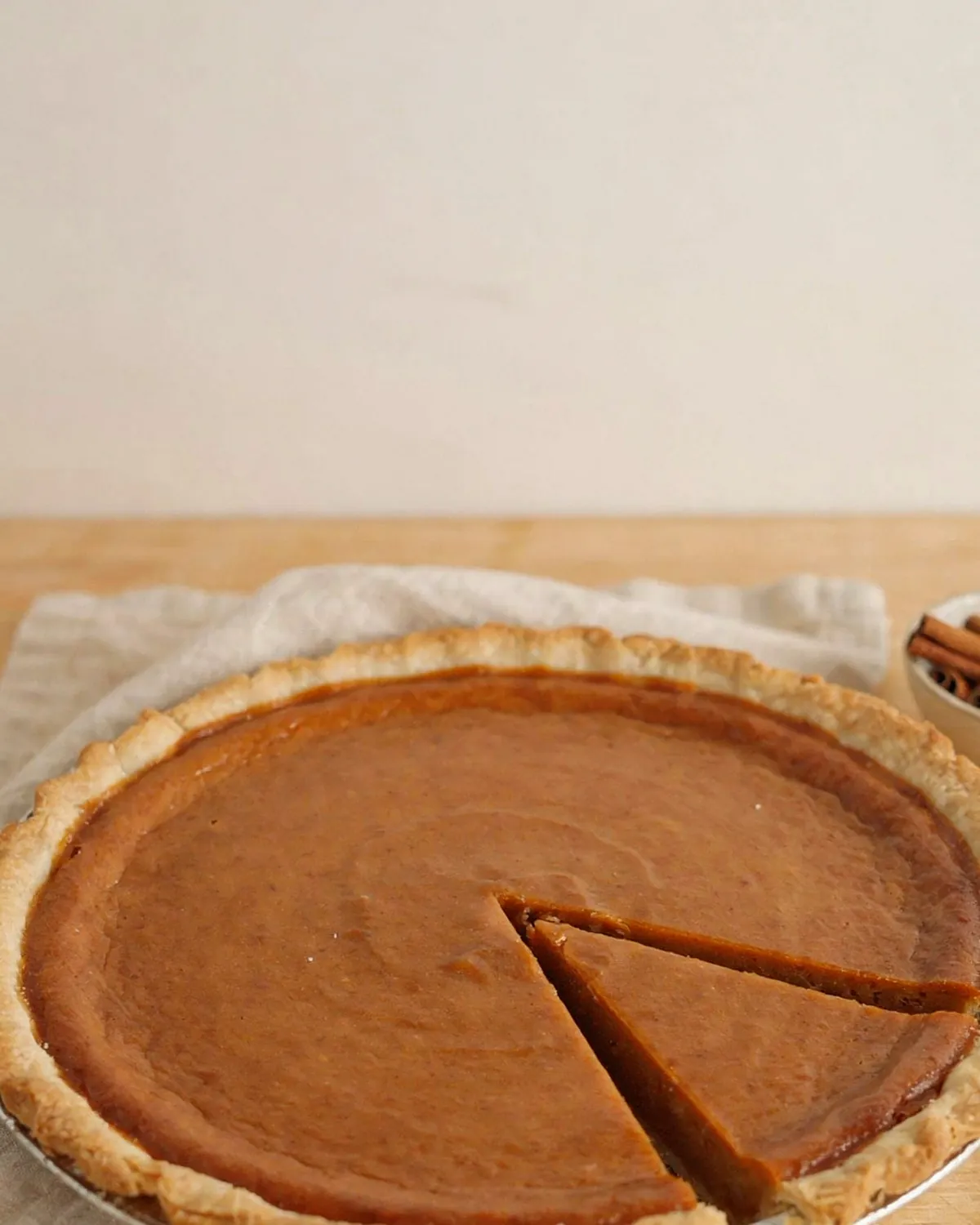
The result is a smooth, glossy, deep orange filling, softly set from edge to center, in a golden fluted crust.
The ingredients (and what each one does)
| Ingredient | What it does |
|---|---|
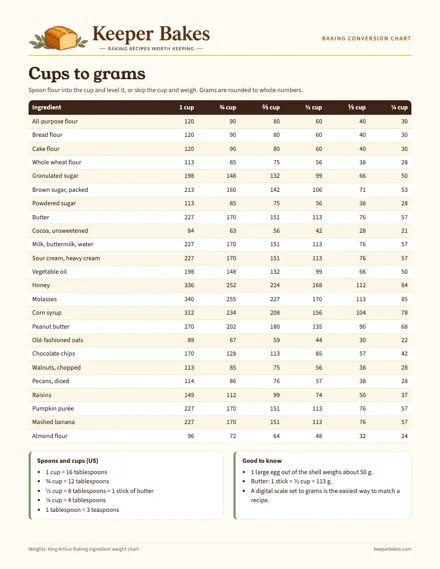
| Pumpkin purée, one 15-ounce can (425 g) | Body, color and flavor. The label should say 100% pumpkin; pumpkin pie filling already contains sugar and spices. |
| Evaporated milk, 1¼ cups (283 g, from one 12-ounce can) | The liquid of the custard, creamy and rich. Heavy or light cream works the same way. Don’t swap in sweetened condensed milk, a different, very sweet product. |
| Large eggs, 3 | They set the filling, turning the liquid into a sliceable custard as they heat. |
| Granulated sugar, ½ cup (99 g), and brown sugar, ¼ cup packed (53 g) | Sweetness. The small amount of brown sugar adds a gentle caramel note. |
| Cinnamon, ginger, nutmeg, cloves | The classic pumpkin pie warmth. Cinnamon leads; cloves are strong, so ⅛ teaspoon is plenty. |
| Salt and vanilla | Salt keeps the filling from tasting flat. Vanilla is optional and rounds out the spices. |
| One 9-inch unbaked pie crust | Homemade or store-bought. Use a pie plate at least 1½ inches deep, or a store-bought deep-dish crust, so all the filling fits. |
Pumpkin pie spice works too: use about 2 teaspoons in place of the cinnamon, ginger, nutmeg and cloves. For crust ideas and more pies, see Pies and Tarts.
3 rules for a smooth pumpkin pie with no cracks
- Take it out while the center still jiggles. King Arthur and Betty Crocker both name overbaking as the cause of cracks. The edges should be set about 2 inches in, and the middle should wobble gently when you nudge the pan. The center finishes cooking as the pie cools.
- Cool it slowly, on a rack. Let the pie cool at room temperature for 1 to 2 hours before it goes into the refrigerator. America’s Test Kitchen cools its pie at room temperature, not in the fridge, so the filling sets.
- Whisk, don’t whip. Stir the filling until it is smooth and evenly orange, and stop there. A mixer on high beats in air, and you want a dense, silky custard, not a foamy one.
Step by step
1Get the crust and oven ready
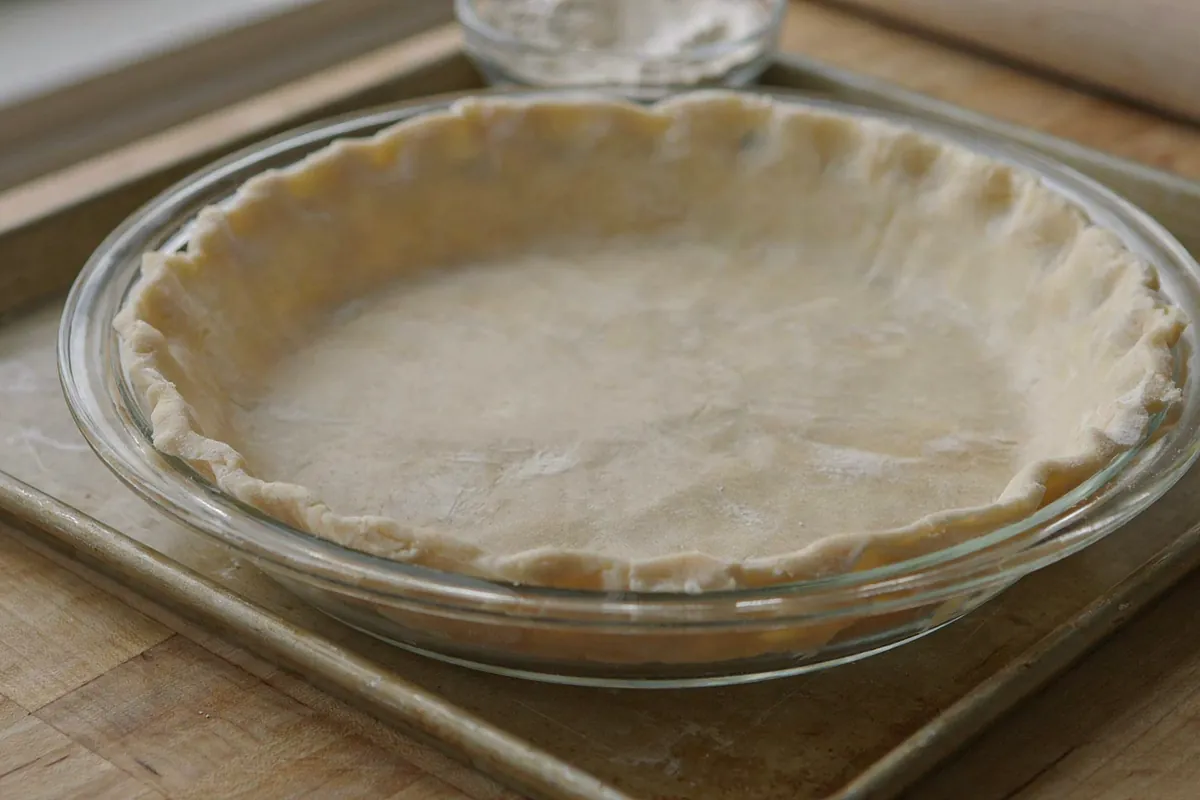
Set a rack in the lower third of the oven and heat it to 425°F. Taste of Home and America’s Test Kitchen both bake their pumpkin pies low in the oven, which keeps the unbaked bottom crust close to the heat.
Fit your crust into a 9-inch pie plate at least 1½ inches deep (or use a store-bought deep-dish crust), fold the overhang under and flute the edge. Refrigerate it while you make the filling, then set it on a rimmed baking sheet, which makes the full pie easier to carry.
2Whisk the filling
In a large bowl, whisk the eggs lightly. Add the granulated sugar, brown sugar, salt, cinnamon, ginger, nutmeg and cloves and whisk until no lumps of brown sugar remain.
Add the pumpkin and whisk until smooth. Pour in the evaporated milk and vanilla, if using, and whisk gently until the filling is even in color and pourable, like a thick milkshake.
3Fill the crust
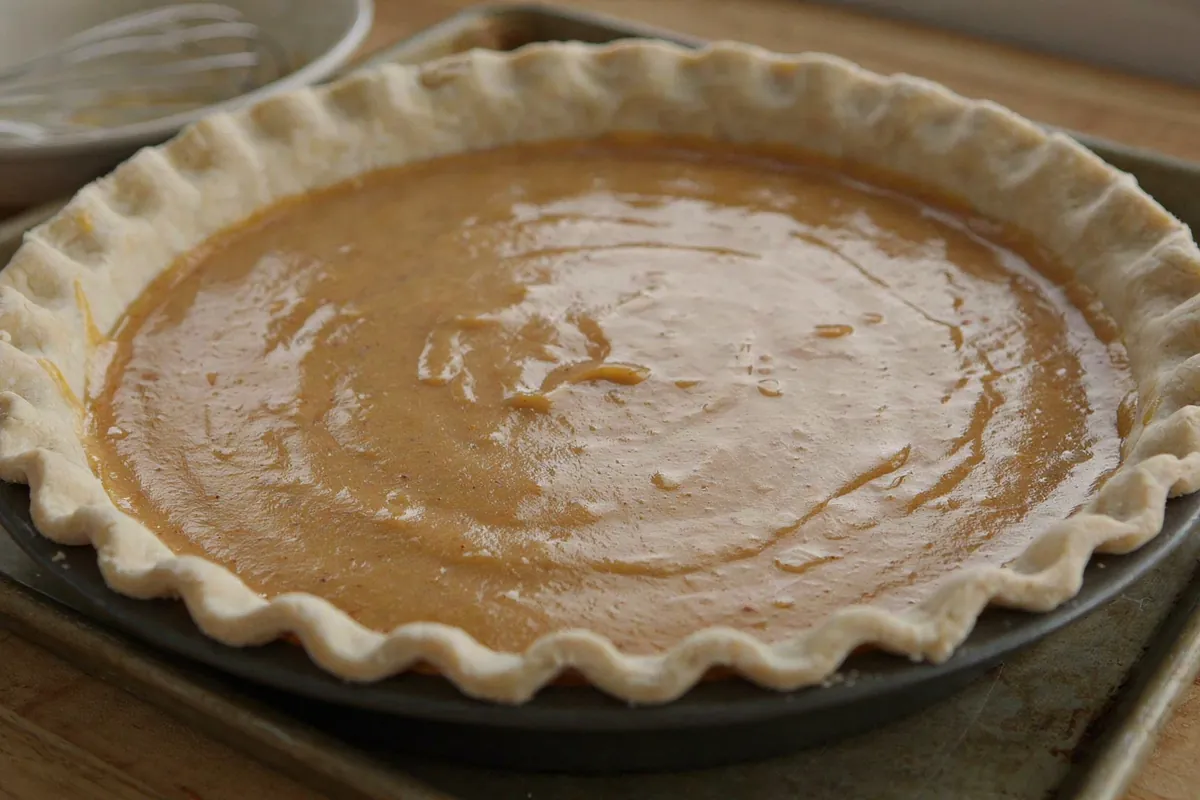
Pour the filling into the cold crust, stopping about ¼ inch below the rim. If your crust is on the shallow side and there’s filling left over, pour the rest into a small greased baking dish and bake it next to the pie; it will set sooner, so check it early.
Pop any bubbles on the surface with the tip of a knife, then slide the baking sheet with the pie onto the lower rack.
4Bake hot, then lower the heat
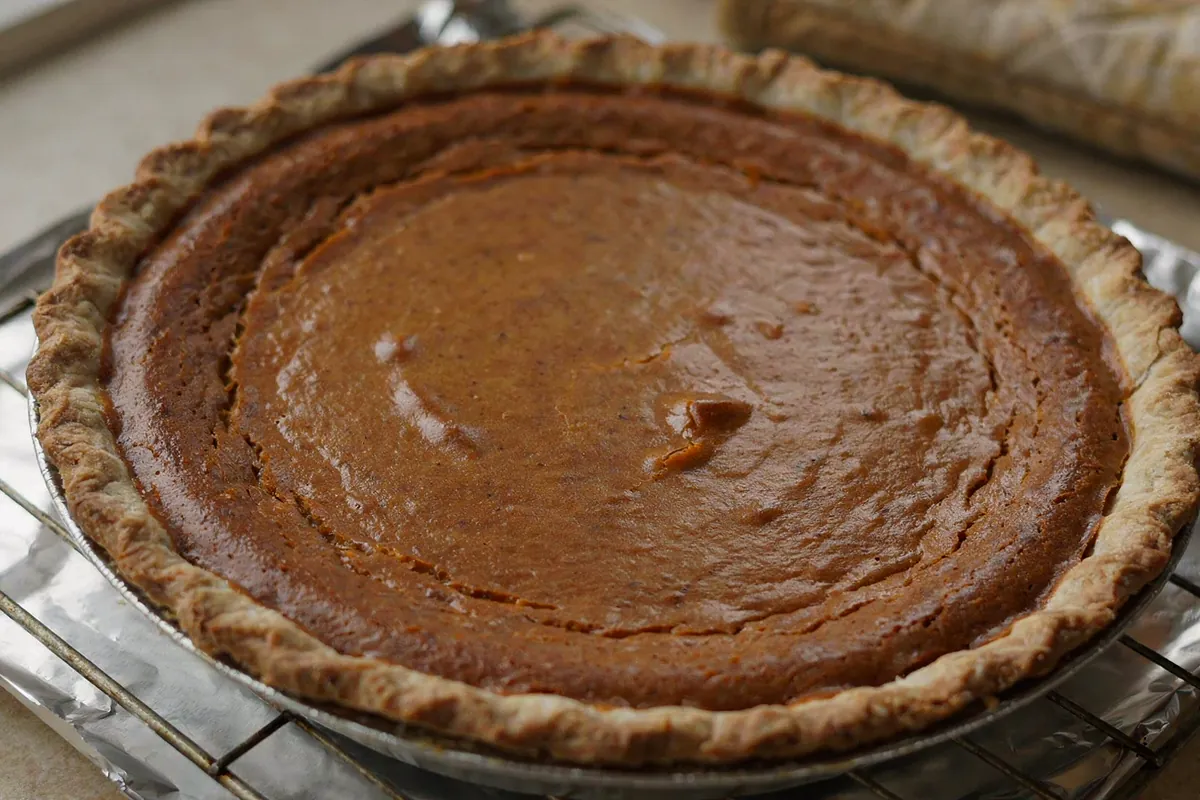
Bake at 425°F for 15 minutes. Without opening the door, turn the oven down to 350°F and bake for another 40–45 minutes.
If the crust edge is golden brown by halfway, cover it with foil strips or a pie shield. Start checking at 40 minutes. If the center sloshes like liquid instead of wobbling as one piece, give it 5 more minutes and check again.
5Cool slowly, then chill
Set the pie on a wire rack and let it cool at room temperature for 1 to 2 hours. The wobbly center keeps firming up as it cools.
Once it has cooled, cover it and refrigerate it within 2 hours of coming out of the oven, the limit the University of Illinois Extension gives for egg and dairy pies. Chill it for at least 3 hours before serving, so it slices into neat, firm wedges.
6Slice and serve
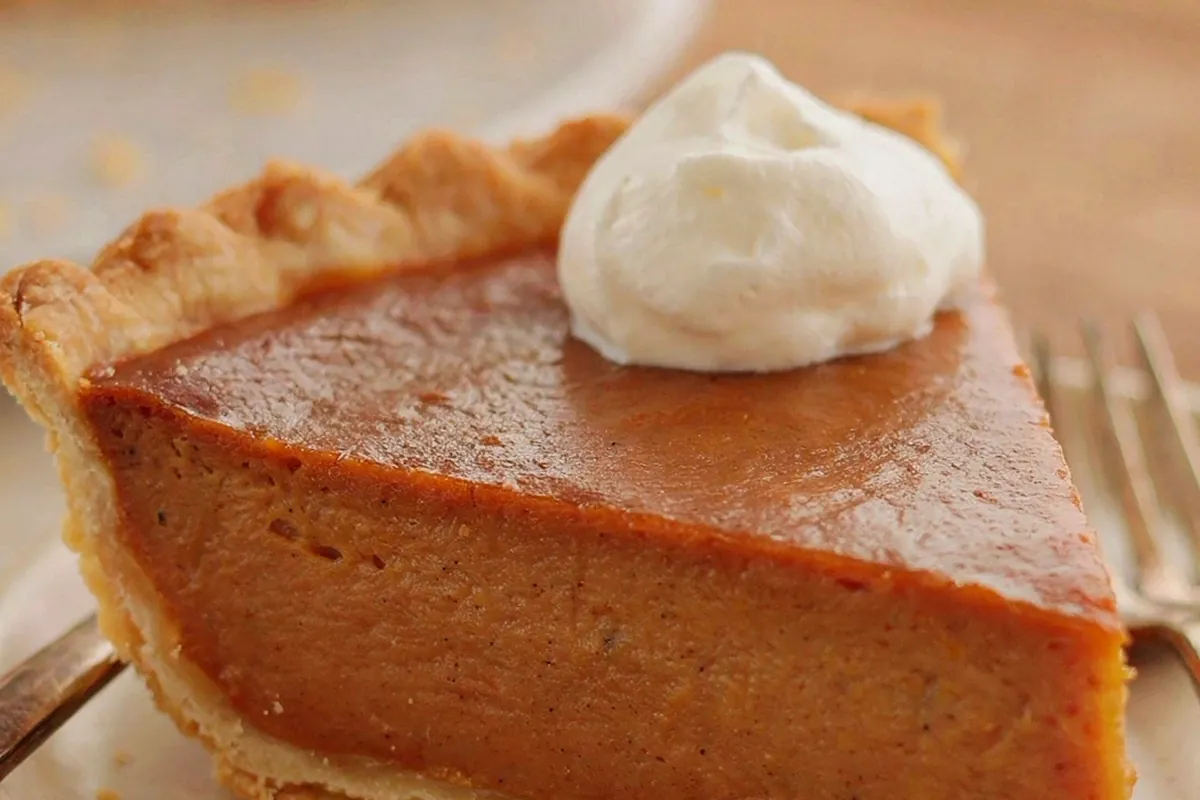
Cut the pie with a sharp knife, wiping the blade clean between slices for tidy edges.
For whipped cream, beat ¾ cup cold heavy cream with 2 tablespoons sugar in a chilled bowl until stiff peaks form. Add a spoonful to each slice as you serve it, so the pie keeps its smooth, glossy top.
How to know it’s done
- Look: the outer ring, about 2 inches in from the crust, looks set and matte. The center may still look slightly shiny.
- Jiggle: nudge the pan with an oven mitt. The center should wobble as one soft piece. A wave rolling across the middle means it needs more time.
- Knife: a thin knife pushed into the center should come out clean, without a milky film of raw filling, the cue Betty Crocker and Taste of Home both use.
- Thermometer: pumpkin pie is an egg custard, and FoodSafety.gov lists 160°F as the safe minimum for egg dishes. The very center should read at least 160°F on an instant-read thermometer. America’s Test Kitchen takes its pie out at 175°F, with the center still jiggling slightly. Aim for 160°F to 175°F together with a soft wobble.
Classic Pumpkin Pie
A smooth, deep orange pumpkin custard pie with evaporated milk and warm spices, baked in a 9-inch crust. Makes 1 (9-inch) pie, 8 slices.
Pan: 9-inch pie plate at least 1½ inches deep (or a store-bought deep-dish crust), on a rimmed baking sheet
Ingredients
- Whipped cream (optional, for serving)
Instructions
- Set a rack in the lower third of the oven and heat to 425°F. Fit the crust into a 9-inch pie plate at least 1½ inches deep, flute the edge and refrigerate it while you make the filling.
- Whisk the eggs lightly in a large bowl. Whisk in both sugars, the salt, cinnamon, ginger, nutmeg and cloves, then the pumpkin until smooth. Gently whisk in the evaporated milk and vanilla (if using) until even; don’t beat in air.
- Set the chilled crust on a rimmed baking sheet. Pour in the filling to about ¼ inch below the rim (bake any extra in a small greased dish and check it early). Pop surface bubbles with a knife tip.
- Bake 15 minutes at 425°F. Lower the oven to 350°F and bake 40–45 minutes more, covering the crust edge with foil strips or a pie shield if it browns early.
- The pie is done when the outer 2 inches are set, the center wobbles slightly as one piece, a knife in the center comes out clean and the center reads at least 160°F (up to 175°F). If the center sloshes, bake 5 minutes more and check again.
- Cool on a wire rack at room temperature for 1 to 2 hours, then cover and refrigerate (within 2 hours of baking). Chill at least 3 hours before serving.
- To serve, beat the cold heavy cream with 2 tablespoons sugar in a chilled bowl to stiff peaks. Slice the pie with a sharp knife, wiping it between cuts, and top each slice with whipped cream.
Refrigerate covered up to 4 days. Freeze the baked, cooled pie wrapped in plastic wrap and foil up to 1 month; thaw in the refrigerator.
The filling can be made a day ahead and refrigerated; stir before pouring and allow a few extra minutes of baking.
For a crisper bottom, par-bake the crust: foil-lined at 425°F for 10 minutes, then 2 to 4 minutes uncovered, and fill while hot.
Variations
With heavy cream instead of evaporated milk
Use 1¼ cups heavy or light cream in place of the evaporated milk, as King Arthur and Food Network Kitchen do. The filling is a little richer; bake and check it the same way.
Crisper bottom crust
Par-bake the crust first, the way Betty Crocker does: line the chilled crust with a double layer of foil, bake at 425°F for 10 minutes, remove the foil and bake 2 to 4 minutes more, until it looks set and just starts to brown. Pour in the filling while the crust is hot and bake as written, covering the edge with foil as needed.
Make the filling ahead
Whisk the filling up to a day early, cover it and refrigerate it overnight, as King Arthur suggests. Stir it well before pouring. Cold filling may need a few extra minutes, so rely on the doneness checks rather than the clock.
Troubleshooting
| Problem | Likely cause | Fix next time |
|---|---|---|
| Crack across the top | Overbaked, sometimes because the oven runs hot | Pull it while the center still wobbles (160°F to 175°F). Check your oven with an oven thermometer, as Betty Crocker suggests. A crack is only cosmetic: a spoonful of whipped cream covers it. |
| Center still liquid after cooling | Underbaked | Check with a thermometer: at least 160°F in the center. Bake 5 minutes more at a time until the center wobbles as one piece. |
| Pale, soft bottom crust | Rack too high or crust too thin | Bake on the lower rack on a baking sheet, or par-bake the crust first (see Variations). |
| Crust edge too dark | Edge exposed for the whole bake | Cover the edge with foil strips or a pie shield once it is golden brown. |
| Filling overflowed | Shallow pie plate or store-bought regular crust | Use a plate at least 1½ inches deep or a deep-dish crust. Fill to ¼ inch below the rim and bake any extra in a small dish. |
| Too sweet or oddly spiced | Pumpkin pie filling used instead of purée | Buy cans labeled pure pumpkin or 100% pumpkin. |
Storing and freezing
Refrigerator: pumpkin pie is an egg and dairy custard, so it belongs in the fridge. The University of Illinois Extension says pies like this shouldn’t sit out for more than 2 hours, and cites USDA guidance of up to 4 days in the refrigerator. Cover the cooled pie with plastic wrap or keep slices in a covered container.
Make ahead for a holiday: bake the pie the day before, cool it and refrigerate it overnight. It is served cold or at cool room temperature, so there is nothing to reheat.
Freezing: wrap the baked, fully cooled pie in plastic wrap and then foil and freeze up to 1 month (Betty Crocker). Thaw it in the refrigerator. The Illinois Extension notes custard pies don’t always freeze well, so expect a slightly softer filling and crust.
Questions
Do I need to blind bake the crust for pumpkin pie?
No. King Arthur and Taste of Home pour the filling into an unbaked crust, and baking on the lower rack with a hot start helps the bottom bake through. If you like a crisper bottom, par-bake it first (see Variations).
Why did my pumpkin pie crack?
Usually from baking too long, according to Betty Crocker and King Arthur, sometimes because the oven runs hotter than its dial says. Take the pie out while the center still wobbles slightly, let it cool at room temperature on a rack, and check your oven with an oven thermometer.
Does pumpkin pie need to be refrigerated?
Yes. It is made with eggs and milk, so refrigerate it within 2 hours of baking and keep it covered in the fridge up to 4 days.
Can I use sweetened condensed milk instead of evaporated milk?
Not in this recipe. Sweetened condensed milk is very sweet, and this filling already has ¾ cup of sugar. Use evaporated milk or the same amount of heavy cream.