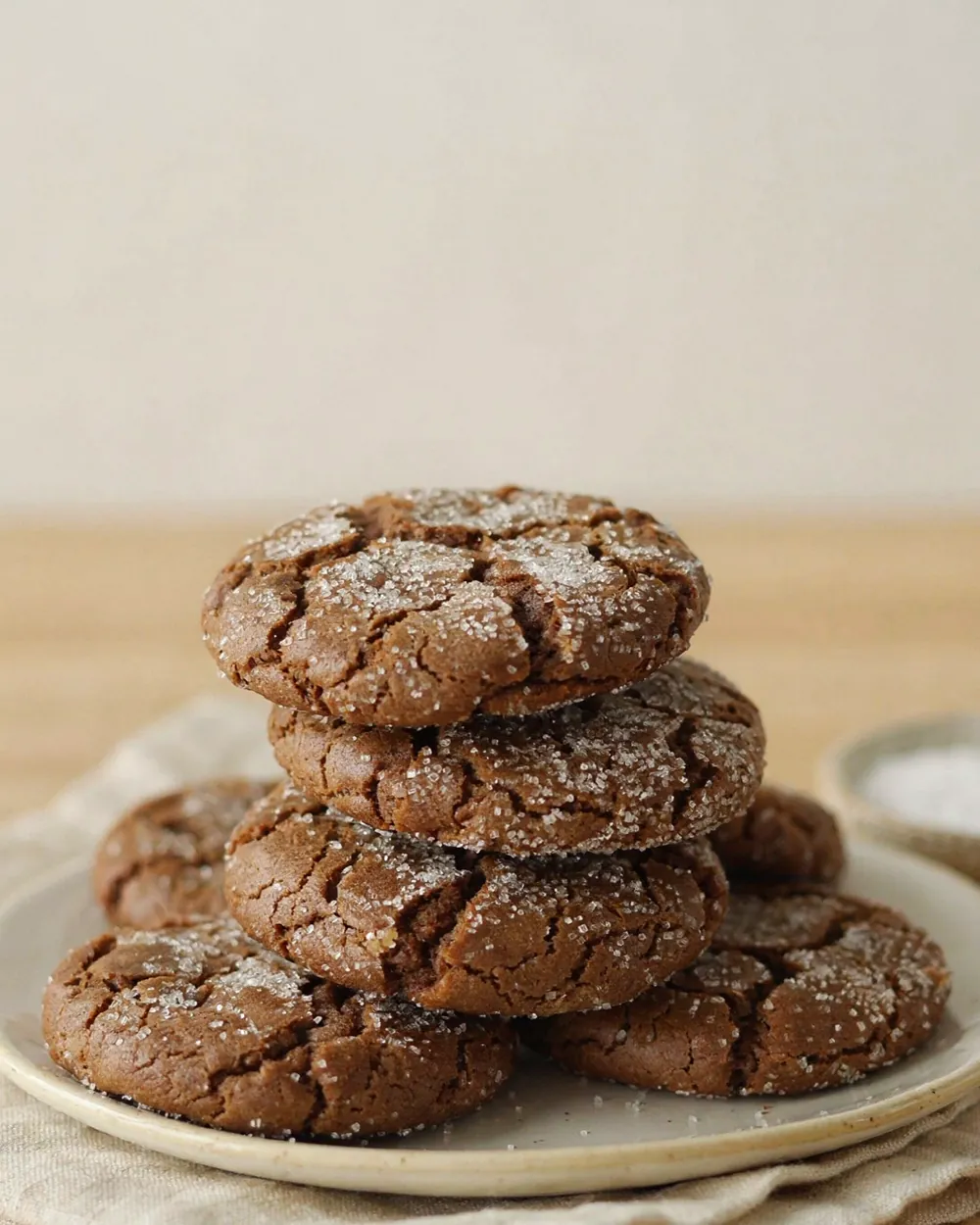
The short version: These are round, crinkle-top gingerbread cookies, not cut-outs: 2¼ cups flour, ¾ cup butter, 1 cup brown sugar, ⅓ cup molasses and 1 egg, spiced with ginger, cinnamon and cloves, rolled in sugar and baked at 350°F for 10 to 12 minutes. The dough is firm enough to shape right away, so there’s no chilling. The one secret: take them out while the centers still look a little raw between the cracks. They finish setting on the hot pan and stay chewy for days.
Why this recipe works
Gingerbread comes in two very different cookies. One is the cut-out kind: a stiff dough you chill, roll and stamp into little people. The other is this one, a soft drop cookie that bakes into a thick round with a crackled, sparkly top and a center that bends instead of snaps. If what you want is chew, this is the version to make.
Three things in the formula give it that texture:
- Brown sugar and molasses hold moisture. Both attract and keep water, so the cookie stays bendy long after it cools. Granulated sugar alone gives a crisper cookie.
- Plenty of baking soda. Molasses is acidic. A full teaspoon of soda reacts with it and puffs the dough fast in the oven, so the sugared surface splits into cracks. The cookie then settles as it cools, and the crinkles stay.
- A short bake. Pulled early, the center stays slightly underbaked and fudgy. Two extra minutes turns a chewy cookie into a gingersnap.
The numbers sit inside the classic published versions of this cookie: America’s Test Kitchen and Food Network Kitchen both use 2¼ cups of flour and a teaspoon of baking soda, and neither they nor King Arthur Baking’s soft ginger-molasses cookies chill the dough. Nothing exotic, just a well-known ratio, explained.
The ingredients (and what each one does)
| Ingredient | What it does |
|---|---|
| All-purpose flour, 2¼ cups (270 g) | The structure. Spoon it into the cup and level it off. Scooping straight from the bag packs in extra flour and gives you dry, cakey cookies that don’t crackle. |
| Unsalted butter, ¾ cup (170 g), softened | Flavor and tenderness. It should be soft enough to dent with a finger but not greasy or melting. |
| Brown sugar, 1 cup packed (213 g) | Sweetness, moisture and chew. Light or dark both work; dark gives a deeper color and a stronger molasses note. |
| Molasses, ⅓ cup (113 g) | The gingerbread flavor and color. Use regular unsulphured molasses (light or dark), not blackstrap, which is bitter. |
| Large egg, 1, room temperature | Binds the dough and adds a little lift. A cold egg can firm up the creamed butter and make it look curdled. |
| Baking soda, 1 tsp | Reacts with the molasses for puff and cracks. Use soda, not baking powder. |
| Ginger, cinnamon, cloves | 2 tsp ground ginger leads, 1 tsp cinnamon warms it, ½ tsp cloves adds the deep, almost peppery note. Spices lose strength in the jar, so a fresh jar of ginger makes a real difference. |
| Salt, ½ tsp | Keeps the sugar and molasses from tasting flat. |
| Granulated sugar, ⅓ cup (66 g), for rolling | The sparkly coat. It dries the surface so the top cracks into those white-rimmed crinkles. |
Grams follow the King Arthur Baking ingredient weight chart. A kitchen scale is the easiest way to get the flour right.
3 rules for soft, chewy gingerbread cookies
- Measure the flour gently (or weigh it). Too much flour is the most common reason these come out puffy, dry and smooth-topped. 270 g is the target; a heavy-handed scoop can add 30 g or more.
- Make the balls the same size. A 1½-tablespoon cookie scoop gives even balls that bake in the same time. Mixed sizes mean some cookies overbake while others are still raw.
- Pull them early. When the edges are set and the centers are puffy and look wet between the cracks, they’re done. If they look done in the oven, they’ll be crisp by the time they cool.
Step by step
1Cream the butter and brown sugar, then add the molasses and egg
Heat the oven to 350°F with a rack in the middle, and line two baking sheets with parchment.
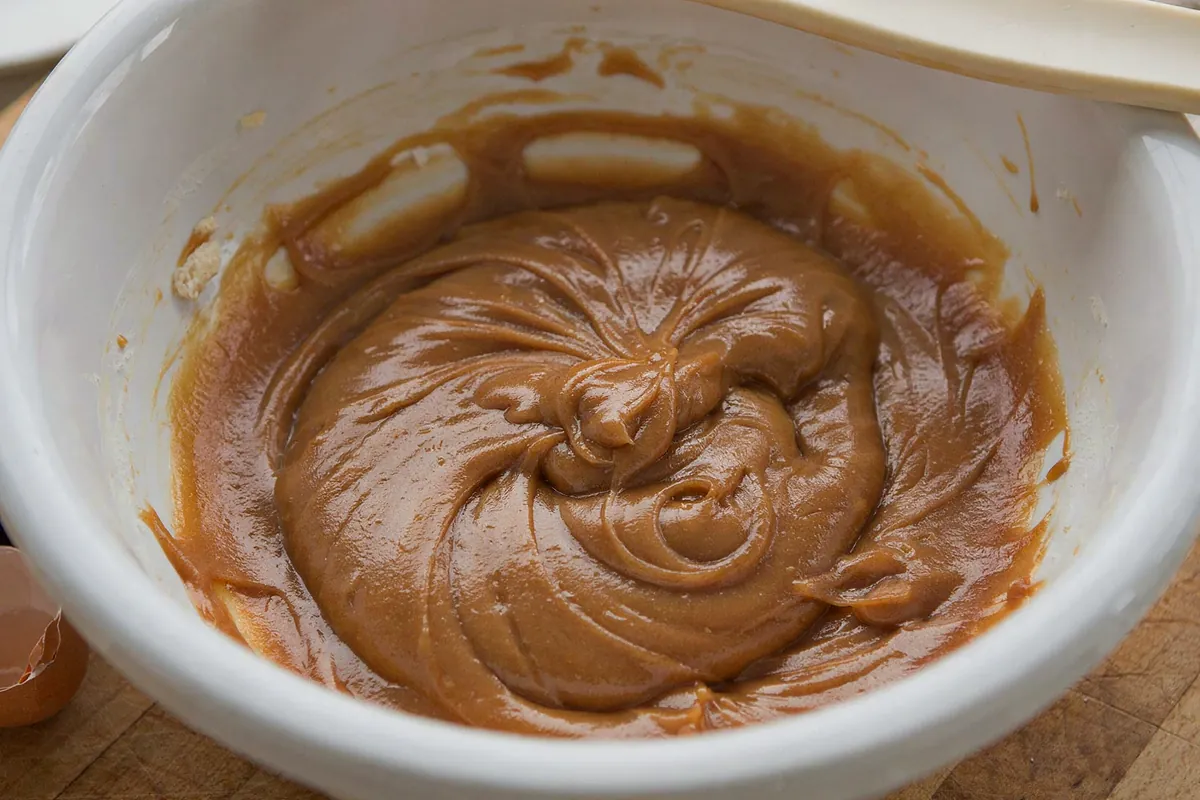
In a large bowl, beat the softened butter and brown sugar with a mixer on medium speed for 3 to 5 minutes, until lighter in color and fluffy. Add the molasses and the egg and beat until smooth, scraping the bowl once. The mixture turns a glossy caramel brown and may look slightly curdled; that’s fine.
2Mix in the dry ingredients
In a separate bowl, whisk together the flour, baking soda, ginger, cinnamon, cloves and salt. Whisking spreads the soda evenly so you don’t get bitter pockets.
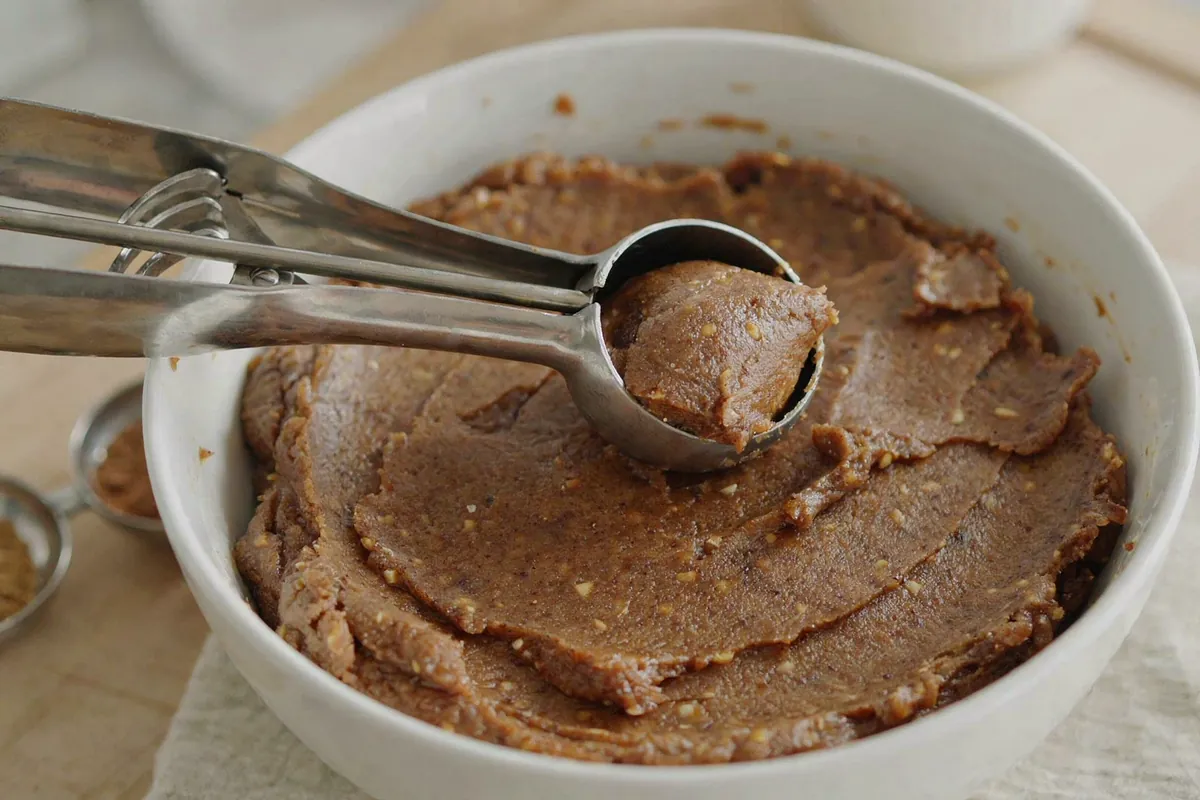
Add the dry mix to the butter mixture and beat on low just until no dry flour shows. The dough should be thick, soft and a little tacky, about the feel of play dough. If it sticks badly to your hands (a warm kitchen or very soft butter), chill it for 15 to 30 minutes; otherwise go straight on.
3Shape the balls and roll them in sugar
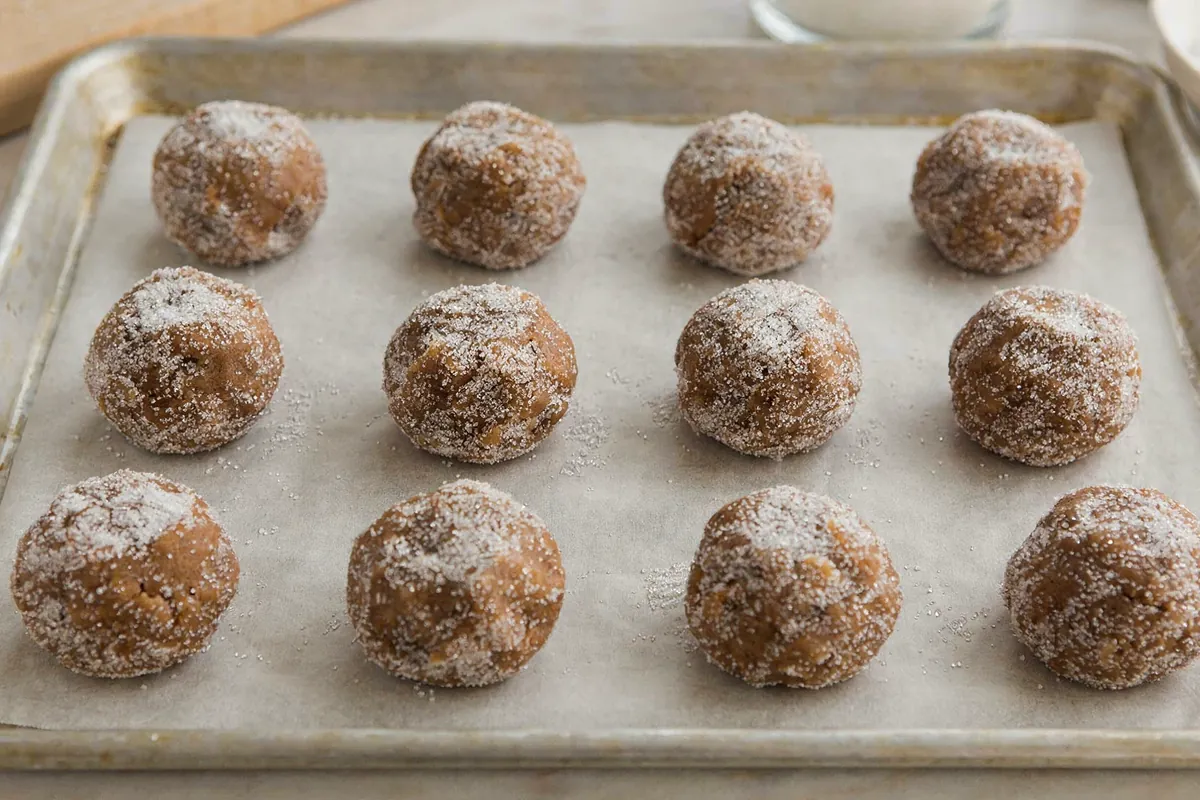
Put the ⅓ cup of granulated sugar in a shallow bowl. Scoop the dough in 1½-tablespoon portions and roll each one between your palms into a smooth ball, about 1¼ inches across.
Roll each ball in the sugar until fully coated and set them 2 inches apart on the lined sheets, about 12 per sheet. Don’t flatten them; the dough spreads on its own.
4Bake until the edges set and the centers look underdone
Bake one sheet at a time for 10 to 12 minutes. The balls puff, spread, and crack across the top. Check at 10 minutes: the edges should look set and matte, and the centers should still be soft and shiny between the cracks.
One sheet at a time gives even heat, which means even cracks. Keep the second sheet at room temperature while the first one bakes.
5Cool on the pan, then on a rack
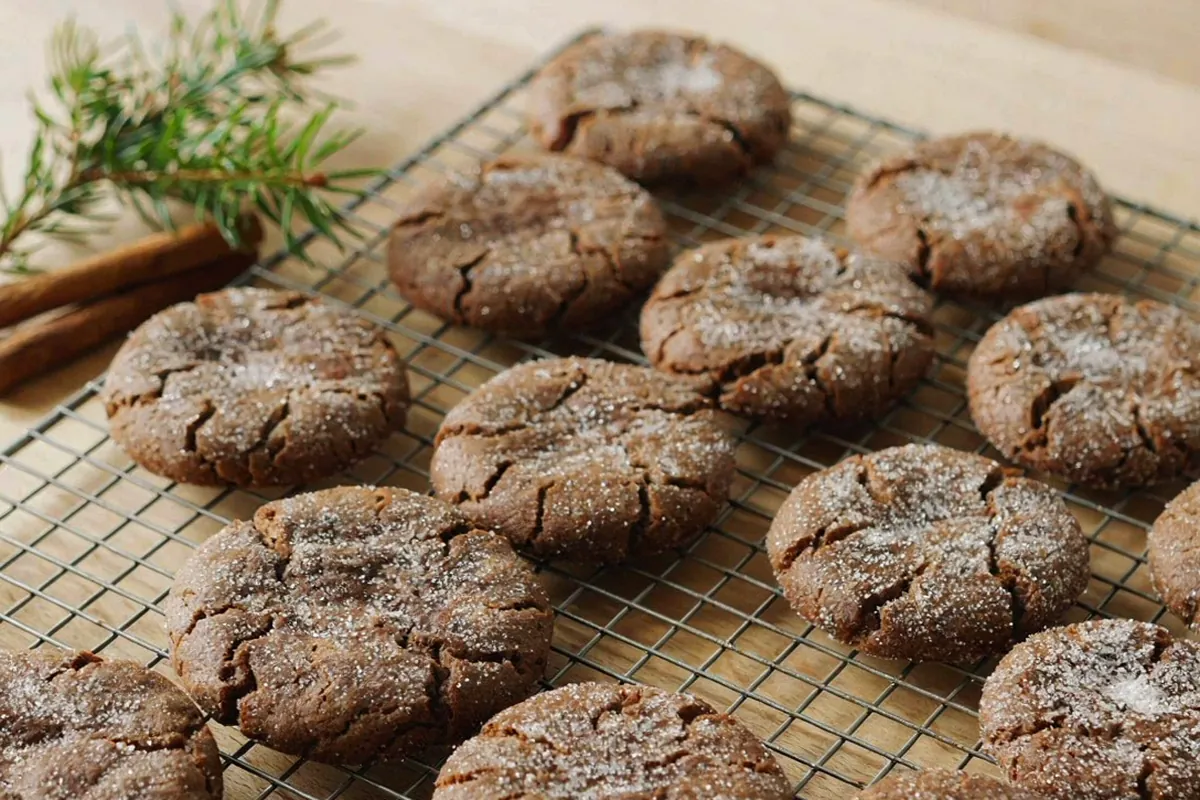
Let the cookies rest on the hot baking sheet for 5 minutes. The centers sink slightly and the crinkles deepen as they set. Then move them to a wire rack to cool completely.
Bake the remaining dough on a cool sheet (or let the first sheet cool before reusing it); warm sheets make the next batch spread more.
How to know they’re done
- Look: the tops are puffed and cracked, the edges look set and dry, and the dough between the cracks still looks moist and a little raw. Don’t wait for the centers to look dry.
- Touch: nudge an edge with a spatula. It should hold its shape; the center will still feel soft and wobbly. It firms up during the 5 minutes on the pan.
- Oven thermometer: drop cookies like these don’t have a reliable internal temperature, so use the look and touch cues above. The thermometer that helps is an oven thermometer: many ovens run hot or cold, so check that yours really reads 350°F. If it runs hot, start checking a minute early.
Soft and Chewy Gingerbread Cookies
Round molasses-ginger cookies rolled in sugar, with crackly tops and soft, chewy centers. No chilling. Makes about 28 cookies.
Pan: 2 baking sheets lined with parchment
Ingredients
- For rolling
Instructions
- Heat the oven to 350°F with a rack in the middle. Line 2 baking sheets with parchment.
- Whisk the flour, baking soda, ginger, cinnamon, cloves and salt in a bowl.
- In a large bowl, beat the butter and brown sugar on medium speed for 3 to 5 minutes, until lighter and fluffy.
- Beat in the molasses and egg until smooth, scraping the bowl.
- On low speed, mix in the dry ingredients just until no dry flour shows. If the dough is too sticky to shape, chill it 15 to 30 minutes.
- Scoop 1½-tablespoon portions, roll into balls, then roll in the granulated sugar. Place 2 inches apart, about 12 per sheet.
- Bake one sheet at a time for 10 to 12 minutes, until the tops are cracked, the edges are set and the centers still look soft and slightly underdone.
- Cool on the pan for 5 minutes, then move to a wire rack to cool completely. Bake the rest of the dough on a cool sheet.
Store airtight at room temperature up to 5 days, or freeze baked cookies up to 3 months.
Freeze unbaked dough balls (no sugar) up to 2 months; thaw overnight in the fridge, roll in sugar and bake.
Use regular molasses, light or dark. Blackstrap tastes bitter here.
Variations
Extra spicy
Raise the ginger to 1 tablespoon and add ¼ teaspoon black pepper or ½ teaspoon allspice with the other spices. Finely chopped crystallized ginger (about ¼ cup) stirred in at the end adds chewy, hot little bites.
Sparkly sugar coat
Roll the balls in coarse sanding sugar or turbinado instead of granulated sugar for a crunchier, glittery top. Pretty on a Christmas cookie tray.
Gingerbread sandwich cookies
Once cool, sandwich pairs with a thin layer of cream cheese frosting or vanilla buttercream. Keep filled cookies in the fridge and eat within 3 days.
Bigger, bakery-style cookies
Use 3 tablespoons of dough per cookie, 6 per sheet, and add 1 to 2 minutes to the bake. Watch the same cues: set edges, soft centers. You’ll get about 14.
More holiday ideas live in Christmas baking, and the other drop cookies in Cookies.
Troubleshooting
| Problem | Likely cause | Fix next time |
|---|---|---|
| Cookies spread flat and thin | Butter too soft or melted, warm baking sheets, or not enough flour | Use butter that’s soft but cool, bake on cool sheets, and chill the shaped balls 15 minutes if the dough feels greasy. |
| Puffy, cakey, no cracks | Too much flour (scooped, not spooned) | Spoon and level the flour or weigh 270 g. The dough should feel soft, not stiff. |
| Crisp and hard after cooling | Baked too long | Take them out when the centers still look wet between the cracks; start checking at 10 minutes. |
| Bitter or metallic taste | Blackstrap molasses, or baking soda not mixed evenly | Use regular unsulphured molasses and whisk the dry ingredients well before adding them. |
| Sugar coat melted or patchy | Balls rolled in sugar long before baking, or a sticky dough | Roll in sugar right before the cookies go on the sheet; chill sticky dough briefly first. |
| Bland flavor | Old spices | Ground spices slowly lose strength in the jar, faster in a warm, bright spot. Smell the ginger: if the aroma is faint, buy a new jar. |
Storing and freezing
Room temperature: keep cooled cookies in an airtight container or zip-top bag for up to 5 days. A loose lid dries them out fast. A slice of plain sandwich bread in the container keeps them softer; replace it when it goes stale.
Freeze baked cookies: once completely cool, freeze them in an airtight container with parchment between the layers for up to 3 months. Thaw at room temperature in the closed container so any condensation stays on the outside.
Freeze the dough: shape the balls (without the sugar), freeze them on a lined sheet until firm, about 1 to 2 hours, then move them to a freezer bag for up to 2 months. Thaw overnight in the fridge, roll in sugar and bake as directed.
Make-ahead for cookie exchanges: with dough balls in the freezer, thaw a batch in the fridge overnight and a fresh tray takes about 15 minutes the next day.
Questions
Do I really not need to chill the dough?
Right. With softened (not melted) butter, the dough is firm enough to roll straight away. Chill it 15 to 30 minutes only if it’s too sticky to shape, which can happen in a warm kitchen.
Can I use this dough for gingerbread men?
No. It’s made to spread and crack, so cut shapes would puff into blobs. Cut-outs need a stiffer, chilled dough with less leavening.
What’s the difference between these and molasses cookies or gingersnaps?
Chewy gingerbread cookies and soft molasses cookies are close cousins: same spices, similar dough. Gingersnaps use a similar dough but bake longer (or with less moisture) until crisp all the way through.
Can I use blackstrap molasses?
It’s not a good swap. Blackstrap is much stronger and more bitter, and it can make the cookies taste harsh. Use regular unsulphured molasses, light or dark.
Why did my cookies lose their chew after a day?
They were either baked a minute or two long or stored where air could reach them. Store them airtight as soon as they’re cool, with a slice of bread if you like.